




Hyperbaric oxygen treatment for chronic insomnia at high altitude: a prospective, randomized, open-label, parallel-group trial
Read the paperWhat they asked
Sleeping badly is one of the most common problems for people who live or work at high altitude, where each breath carries less oxygen. This trial asked whether a short course of hyperbaric oxygen could improve sleep in adults whose insomnia had become long-standing at altitude.
Who took part
Eighty adults with chronic insomnia at high altitude were randomised one to one, half to hyperbaric oxygen and half to a control group that did not have it. They were young, with a median age of 25. The trial was registered in China (ChiCTR2100046917).
What they did
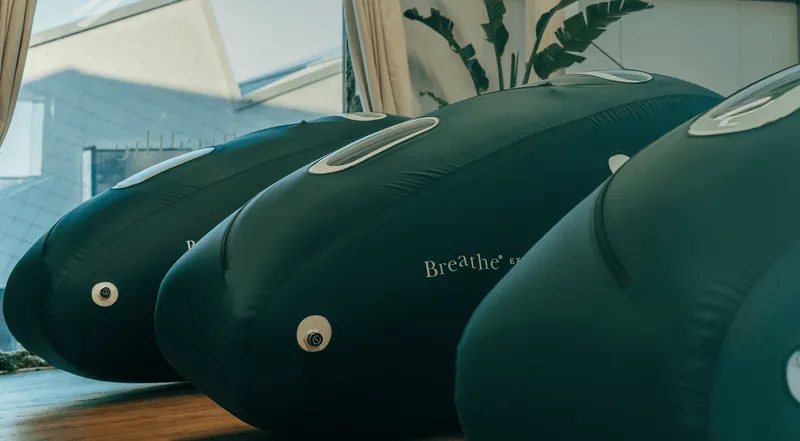
The oxygen group had a 10-day course of hyperbaric oxygen. The published abstract does not give the pressure or session length. Sleep was measured with two standard questionnaires: the Pittsburgh Sleep Quality Index (PSQI, scored 0 to 21, where higher means worse sleep) and the Insomnia Severity Index (ISI). Fatigue, anxiety and depression were also scored.
What they found
After 10 days, the average PSQI score was 4.6 in the oxygen group against 9.1 in the control group, an adjusted difference of about four points. A PSQI of 5 or below is usually counted as good sleep. Insomnia severity scores were 5.0 against 9.8. Fatigue, anxiety and depression scores also improved more in the oxygen group. No serious side effects were reported in either group.
Why it might work
At altitude the body is short of oxygen through the night, which fragments sleep and keeps the stress response switched on. A course of hyperbaric oxygen may temporarily correct that shortfall and calm the stress response. This reasoning is specific to altitude and may not carry over to insomnia at sea level.
Limits
The trial was open-label: everyone knew who was having treatment, and the control group had no sham, so expectation could have influenced questionnaire answers. Follow-up was immediate, so we do not know how long the effect lasted. The participants were young people at altitude, which is a very different group from most people with poor sleep in the UK.