




All staff are trained and certified by the International Board of Undersea Medicine (IBUM).
Click here to learn more
An athlete talking through his training with a Breathe practitioner in the Breathe lounge

Training and recovery at Breathe

If you train, then you need hyperbaric oxygen.

You make time for the miles, the sessions and the work nobody sees. Give recovery a place in that routine too. At Breathe, we bring together hyperbaric oxygen, full-body red light and personal support around what you train for, whether that’s your first 10K, a heavier lift or your next professional fight.

Your first hyperbaric session includes a consultation. Tell us what you’re working towards.

Performance, under the microscope

Look at what changed beneath the surface.

In a controlled study of trained athletes aged 40–50, researchers measured aerobic fitness and muscle-cell changes before and after a course of hyperbaric oxygen. The HBOT group improved its maximal oxygen uptake, while muscle samples revealed changes in the structures responsible for producing energy.

4.3%

Higher maximal oxygen uptake

Increase in the HBOT group’s average VO₂ max, calculated from the published group averages. VO₂ max measures how much oxygen your body can use during intense exercise.

17%

Increase in a mitochondrial-mass marker

Average increase in a marker used to assess mitochondrial mass in the small muscle-biopsy subgroup. Mitochondria help turn fuel and oxygen into usable cellular energy.

40 sessions

A course, followed by measurement

Sessions took place over eight weeks while participants maintained their usual training. These findings came from repeated exposure.

About the study. This double-blind, randomised study analysed 31 athletes. Sessions involved 60 minutes breathing 100% oxygen at 2 ATA, compared with a sham treatment using ordinary air near normal pressure. Muscle-biopsy findings involved 12 participants. These are results from that specific protocol, not predicted results for a Breathe session or a lower-pressure course.

Part of their routine

Hear from the people putting in the work.

Different sports, different demands and a shared commitment to what comes next. Meet two athletes we sponsor and hear how Breathe fits into their training, recovery and life beyond the session.

Athletes’ personal experiences. Individual outcomes vary.

Beneath the surface

The work continues after you stop.

Training gives your body a reason to adapt. Recovery involves replenishing energy, repairing tissue and responding to that demand. An injury creates a different challenge: the animation below takes a closer look at a muscle tear and the processes involved in repair.

Scroll to explore muscle repair.

1.0 ATA
pressure
Less oxygen
A broken vessel
Swelling
Torn fibres

01 · The injury

More than a damaged fibre.

A muscle tear can damage fibres and nearby small blood vessels. Bleeding, swelling and inflammation follow as the body responds, while disruption to the local blood supply can affect oxygen delivery.

02 · Oxygen under pressure

More oxygen dissolved in the blood.

Breathing concentrated oxygen under increased pressure raises the amount dissolved in plasma, the liquid part of your blood. That dissolved oxygen can move from functioning blood vessels into surrounding tissue.

03 · Swelling

Oxygen and blood flow interact.

Hyperbaric oxygen can cause small blood vessels to narrow while increasing the oxygen carried in the blood. In certain injuries, this combination can help limit swelling while maintaining oxygen availability.

04 · Rebuilding

Repair takes materials, energy and time.

Cells clear damaged tissue and help rebuild muscle and its supporting structures. Oxygen is involved in energy production and collagen formation, while the recovering blood supply supports the work.

05 · Returning to movement

Recovery has a job to finish.

Healing tissue needs a gradual return to appropriate loading. Rehabilitation, nutrition, sleep and time all play a part. Where HBOT is considered, it should fit into that wider plan, with the approach guided by the injury and the relevant evidence.

Explore sports recovery research
Keep scrolling
↓

Make room for recovery

Your training has a plan. Bring recovery into it.

Tell us what a normal week looks like, where the demanding sessions fall and whether there’s a competition on the calendar. We’ll talk through the therapies, timing and commitment that make sense for you, alongside your training, sleep and fuelling.

Hyperbaric oxygen

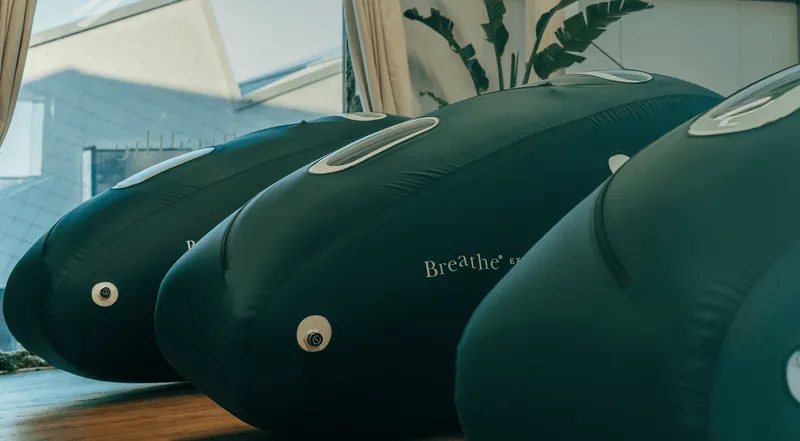
Time in the chamber means breathing concentrated oxygen under increased pressure while you sit or lie comfortably. We’ll explain the research relevant to your goals and discuss how a course could fit around your training. Bring your coach’s or physio’s recommendations if you’re already following a plan.

Full-body red light

Red and near-infrared light reach your body from above and below, with wavelengths, pulsing and duration chosen around your needs and response. Photobiomodulation has been studied for exercise performance and recovery; we’ll help you understand which findings relate to the full-body bed we use.

Alpha-Stim

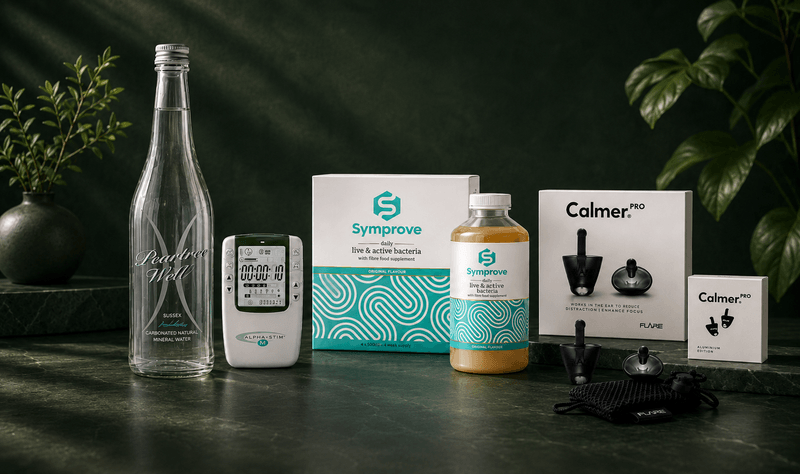
A demanding training schedule can come with a busy mind. If anxiety or difficulty sleeping is part of the picture, we can discuss Alpha-Stim, which delivers a small electrical current through ear clips while you rest. Your first session includes its own consultation and guidance.

You can combine suitable therapies during one visit. We’ll help you arrange the appointments.

Know your starting point

Give your training some useful numbers.

Your pace, lifts and training diary already tell a story. Testing can add another layer, helping you understand your aerobic fitness, resting energy needs or selected blood markers. We explain the results so you know what you’re looking at and what is worth following over time.

Our nurse taking a blood sample at Breathe

Blood test

Blood testing

Explore markers relating to blood count, metabolic health, inflammation and, depending on your panel, iron stores and vitamins. Your results are shared and explained in plain English.

  • Taken here by our nurse
  • Results in seven days
  • From £199
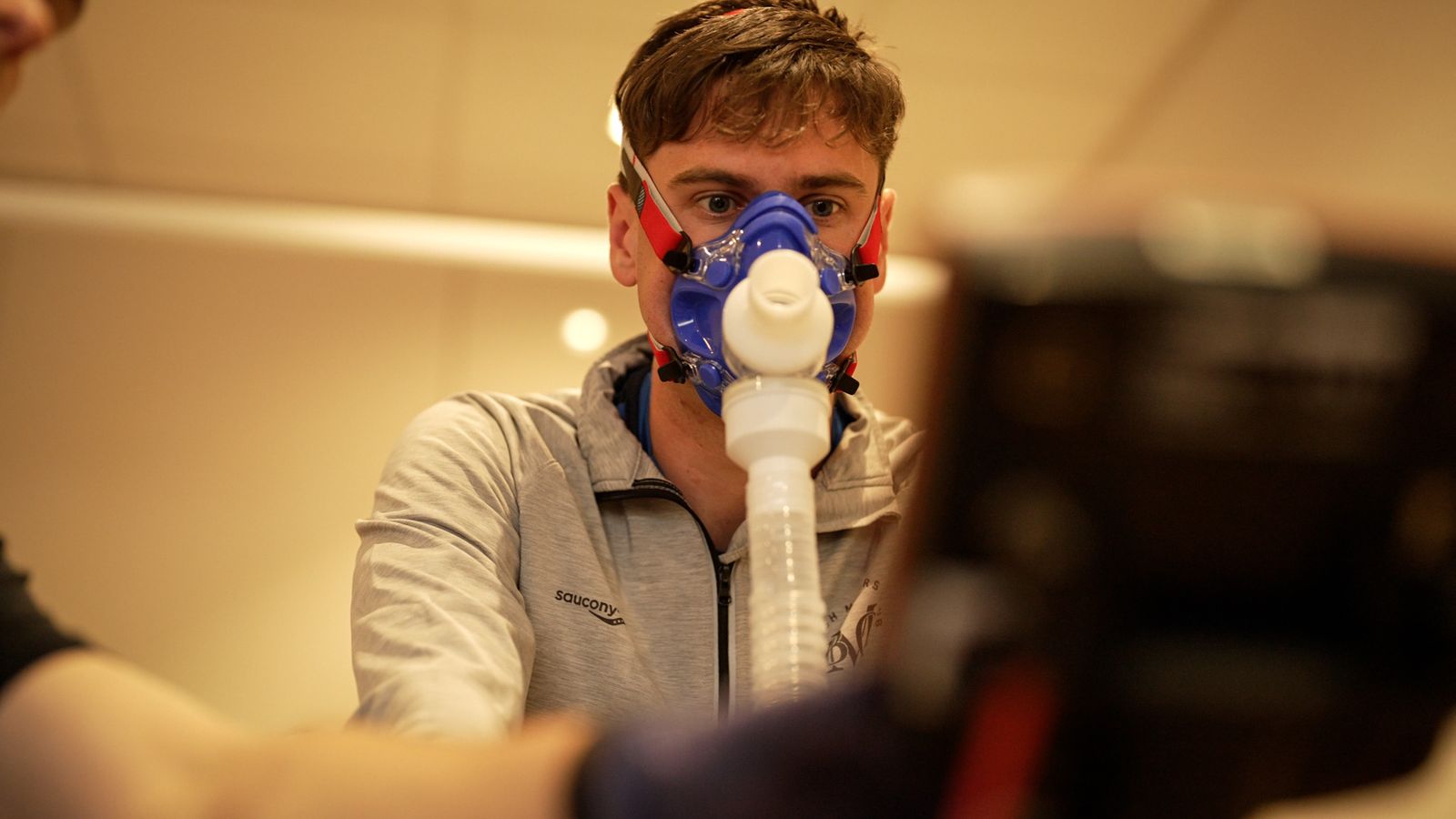
A VO₂ max test on the bike at Breathe

Fitness test

VO₂ max

Measure your oxygen uptake during exercise and identify thresholds that help inform your training zones.

A member resting during a resting metabolic rate test, with the results on screen

Energy test

Resting metabolic rate

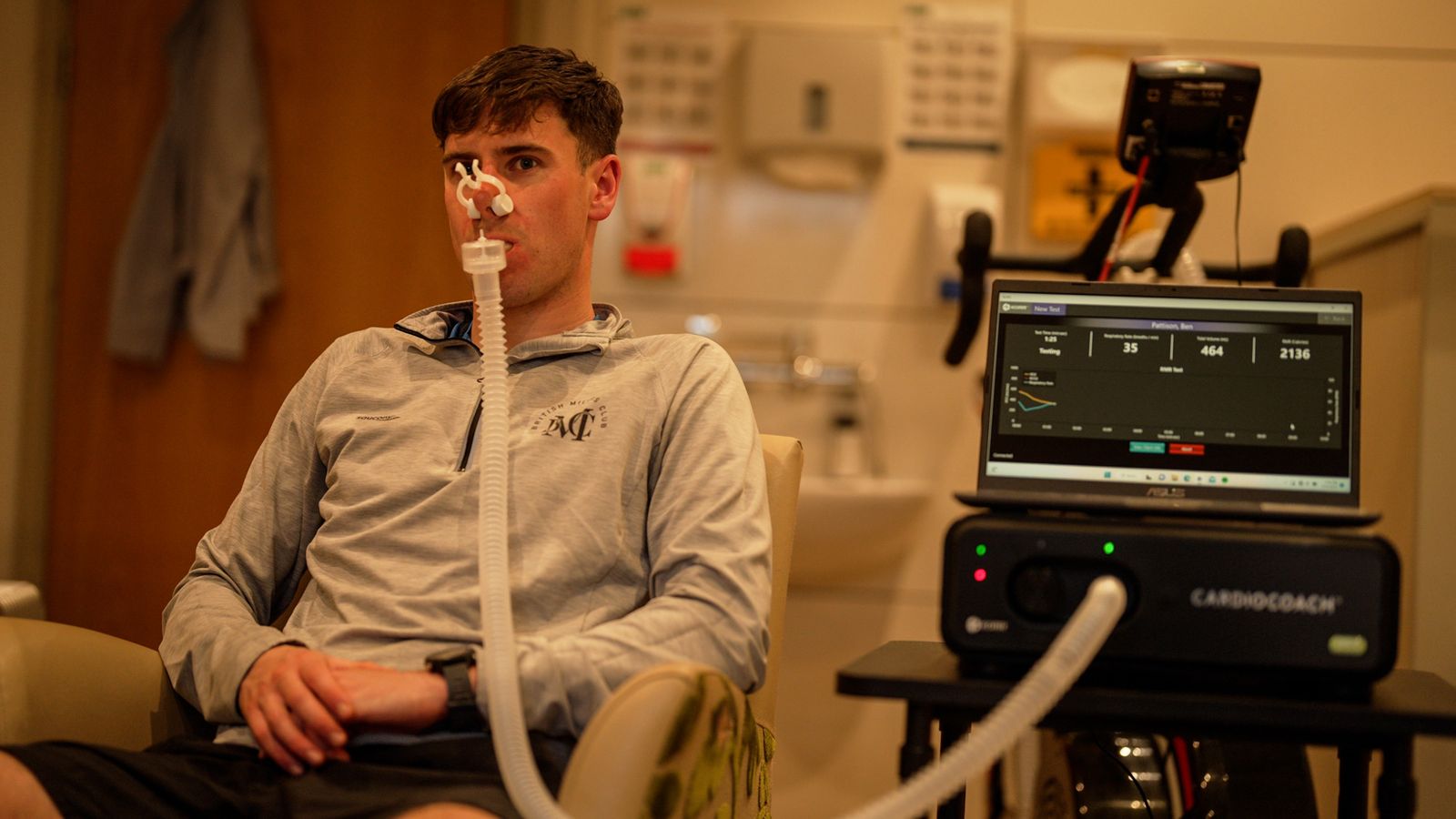
Measure the energy your body uses at rest, giving you an individual starting point for understanding your daily energy needs.

Falcon Performance · with Allana Falconer

Bring your next goal. Find your people.

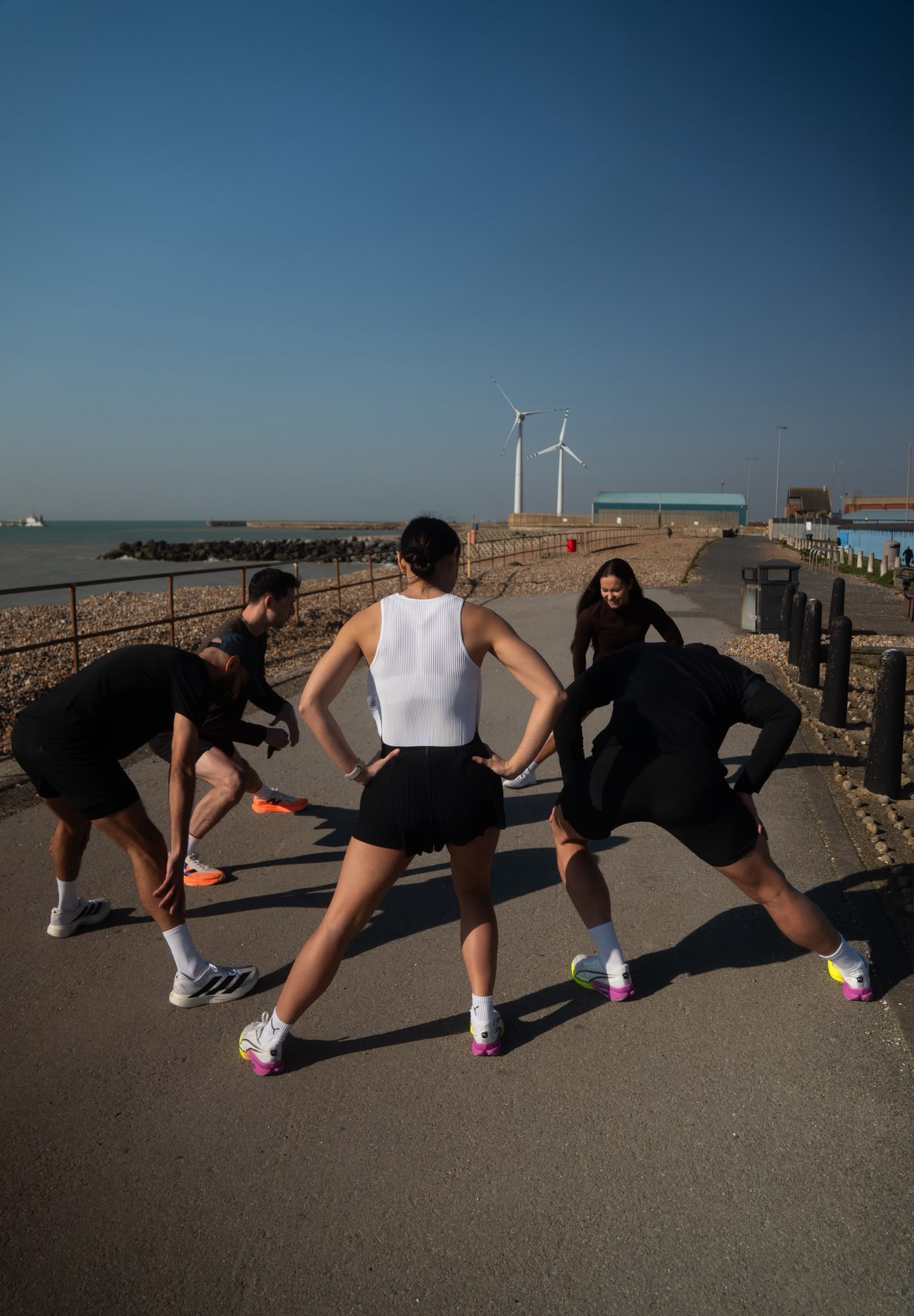
Join Allana Falconer for free Sunday runs finishing at Breathe with coffee, recovery shakes and people working towards their next challenge. Take it further with a monthly 5K + Recovery session, combining a group run with hyperbaric oxygen and red light, or explore private coaching, testing and recovery through Executive Performance. Every pace welcome, with plenty to work towards.

Follow the science

There’s more behind the numbers.

Explore the research on oxygen, light, exercise and recovery in our Library. Studies are organised by condition or purpose, with summaries and original papers so you can look more closely at the questions that matter to your training.

The practical questions

Fit it around the work you’re doing.

No. We welcome people who train professionally, people working towards their first event and people who simply enjoy being active. Tell us what you do and what you’re hoping to get from coming. The attention and care are the same.

In many cases, yes. Tell us what the training involves, how demanding it will be and which therapy you’re booking. We’ll discuss the timing with you, taking your health, experience and response into account. If you’re recovering from an injury, your rehabilitation advice also matters.

That depends on the therapy and what you’re trying to achieve. Research uses different timings, equipment and doses, so there isn’t one rule that applies to every session. Bring your usual training schedule and we’ll explain the approach we suggest.

Yes. Let us know the date and what your preparation looks like so we can discuss appointments in advance. If a therapy is new to you, give yourself time to understand how you respond before an important event.

A new or unexplained injury needs assessment by an appropriate clinician, such as a physiotherapist, sports doctor or GP. Once you understand the injury and have a plan, we can discuss whether our therapies are suitable alongside it. Bring any relevant advice from the person overseeing your rehabilitation.

A first session lets you experience the therapy and see how you respond. The fitness study featured on this page used a course of 40 sessions, and different research questions involve different schedules. We’ll explain the evidence and commitment behind any course we suggest, rather than expect one visit to tell the whole story.

Yes, where both are suitable for you. We can help arrange them during the same visit. Tell us about your training that day and any other recovery treatments or home devices you use so we can consider the full routine.

Start with what you want to change. That might be how you feel between sessions, your sleep or a relevant performance measure. Your training diary can help, and testing may be useful where appropriate. We’ll review what you notice while considering changes in training, food, sleep and anything else that could affect the result.

Your first hyperbaric session costs £49 and includes a consultation. Your first red light session is £25 with a consultation. You don’t need a membership to try either. If you want to continue, we’ll explain the membership and bespoke-plan options around your goals and availability.

Yes. With your permission, we’re happy to discuss your sessions with the people supporting your training or rehabilitation. If you’re enquiring for a club or team, contact us to talk through what you need.

Sessions at Breathe do not replace injury assessment, rehabilitation or prescribed medical care. Tell us about injuries, health conditions and medication during screening.

Your next session

What are you training for?

Tell us the goal, the routine and the parts you find hardest to recover from. We’ll talk through your options and help you make an informed start at Breathe.

View pricing and plans

First visit includes a consultation. Free parking, right outside.